Before you begin
How the machines learned to read
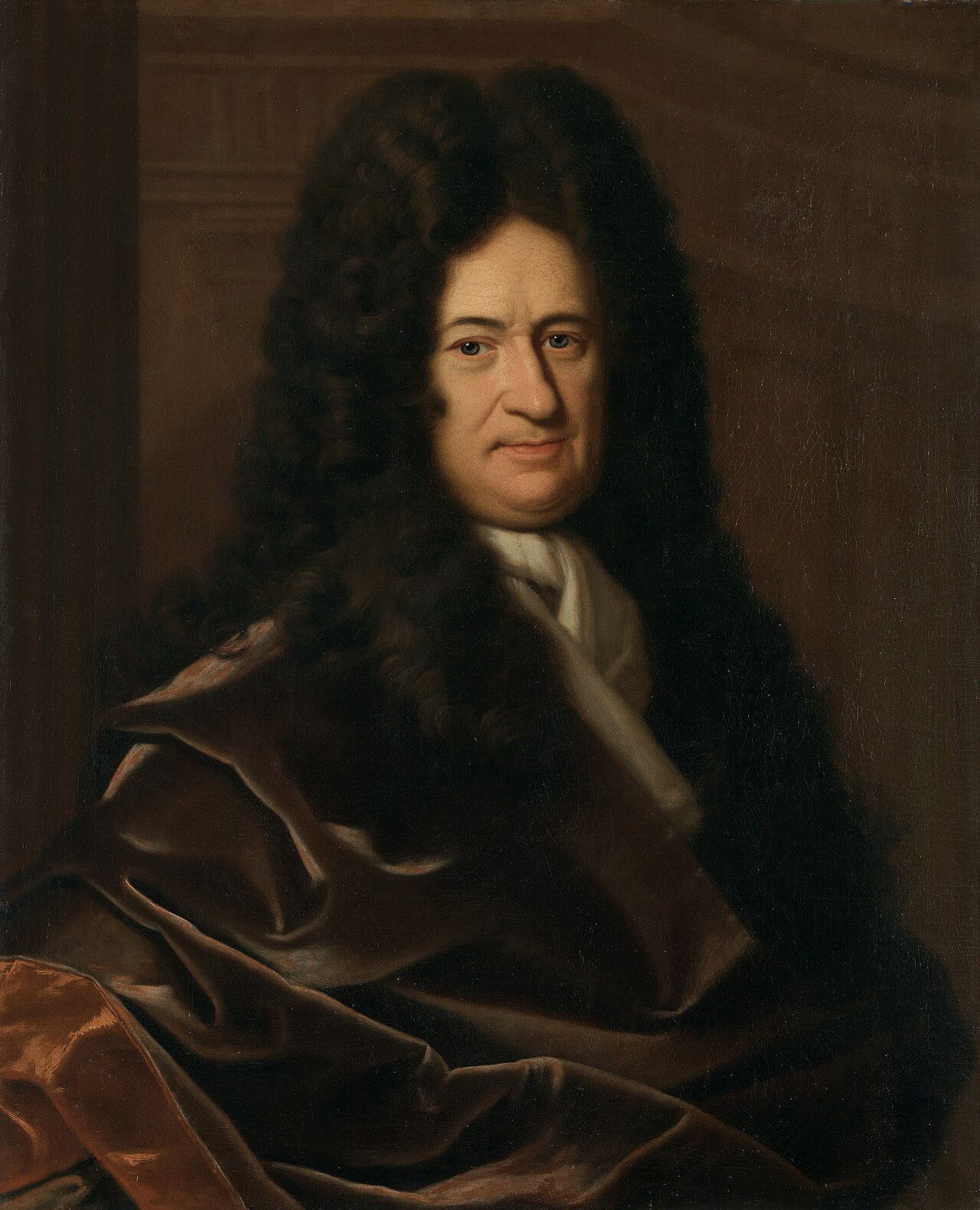
This course is hands-on: each lesson hands you one small, reusable discipline and asks you to try it. Before that begins, it helps to know what these machines are — and are not — because understanding how they came to be is the first defence against trusting them too far. Here, briefly, is how we got from the dream of a calculating reason to a system that drafts legal prose.
The old dream: rules you could read
For most of its history, “artificial intelligence” meant rules. A person worked out the logic and wrote it down; the machine followed it. The expert systems of the 1970s and 80s did exactly that — and law was an early proving ground: the British Nationality Act was famously rendered as a logic program in 1986, its sections turned into if-then rules a computer could apply. These systems had a virtue we have since lost — they were transparent. You could read why they reached a decision, line by line, and audit it like a statute. Their weakness was the other side of the same coin: they knew only what someone had thought to tell them, and broke the moment a matter fell outside the rules.
The turn: learning from examples
The change that produced today’s AI was to stop writing the rules and let the machine infer them from examples. Show it enough instances and it adjusts millions of internal weights until it can predict the pattern itself. The idea is old — a simple “perceptron” was built in 1958 — but it stalled once its limits were shown at the end of the 1960s, and languished through the lean “AI winters” of lost funding. What revived it was not one insight but scale: the method, helped by the rediscovery of backpropagation in 1986, finally met enough data and enough computing power. Around 2012, deep neural networks abruptly outperformed everything else at recognising images. The same approach was turned on language.
The language model
In 2017 a new design — the transformer, from a paper titled, with some confidence, Attention Is All You Need — made it practical to train on staggering quantities of text. The recipe is almost absurdly simple: feed the model much of the written internet and train it, over and over, to predict the next word. Do this at sufficient scale and it acquires a startling fluency across registers, languages and tasks. That is what a large language model is — not a mind, not a database, but a system that has absorbed the statistical shape of human writing and generates more of it.
What a legal reader should carry in
Read that last sentence again, because the whole course turns on it. The model learned the patterns of language, not the law, and not how a lawyer reasons. It holds no register of authorities, no obligation to a source. It produces what is plausible — and plausibility often coincides with truth, where the world has been written about densely and honestly. But the coincidence is statistical, not principled, and it fails precisely where law needs it most: on the particular case, the exact figure, the precise citation, whose truth no amount of pattern can settle. Nothing marks the difference from inside — not because the machine fails at a distinction it attempts, but because the distinction was never its to make. Truth is not visible on the face of a sentence, for machines or for lawyers; it becomes visible only when a claim is traced to the record — and the machine has no tracing step. That is why a language model will, in fluent and confident prose, cite a case that has never existed. The old rule-based systems were brittle but legible; these are powerful but opaque — and fluency is not the same thing as reliability. Everything ahead is the tracing step, built by your own hand: a set of disciplines for working with that gap rather than being caught by it.
This page is background, not part of the verified evidence behind the lessons — that lives on the Resources page. The dates and milestones here are the broad, well-established history, told to orient you, not claims the course rests on. Checking what you are told against the record is the first habit the course will ask of you; it applies here too.
Ready? Begin with Foundations →